





DIY or Professional HVAC Repair: HVAC systems are essential for comfort, but they’re also complex machines with electrical, mechanical, and refrigerant components. While there are small cleaning, repair, and installation tasks a homeowner can handle, certain issues demand a professional HVAC technician. This guide explains how to tell the difference so you can make the right call for your home or business.
HVAC System Basics
DIY or Professional HVAC Repair: Before deciding whether you can handle a repair service yourself, it’s important to know how an HVAC system works. A typical residential HVAC setup has several main parts:
Common HVAC Components You Should Know
- Thermostat – Controls the system and sets desired temperature.
- Filters – Trap dust, pollen, and debris from circulating through the air.
- Ductwork – Distributes cool air or warm air throughout the building.
- Condenser & Evaporator Coils – Manage heat transfer for cooling and heating.
- Fans and Motors – Move air efficiently through the system.
These components work together to regulate temperature, manage airflow, and keep your home comfortable. Understanding them can help you recognize whether an issue is a quick fix or a sign your AC needs serious repair.
When a DIY HVAC Repair Might Be Enough
DIY or Professional HVAC Repair: Some HVAC repair tasks are safe for most homeowners and don’t require professional help. These usually involve basic cleaning and inspections rather than major component work.
Safe & Simple DIY Repairs
- Replace Air Filters – Change the HVAC filter every 1–3 months to improve airflow and prevent further damage.
- Clean Vents and Registers – Vacuum and dust regularly to maintain air conditioning efficiency.
- Check and Reset the Thermostat – Ensure proper settings before assuming a malfunction.
- Clear Debris from the Outdoor Unit – Remove leaves, grass, and dirt around the AC condenser.
Tools You’ll Need for Minor Repairs
- Screwdriver set
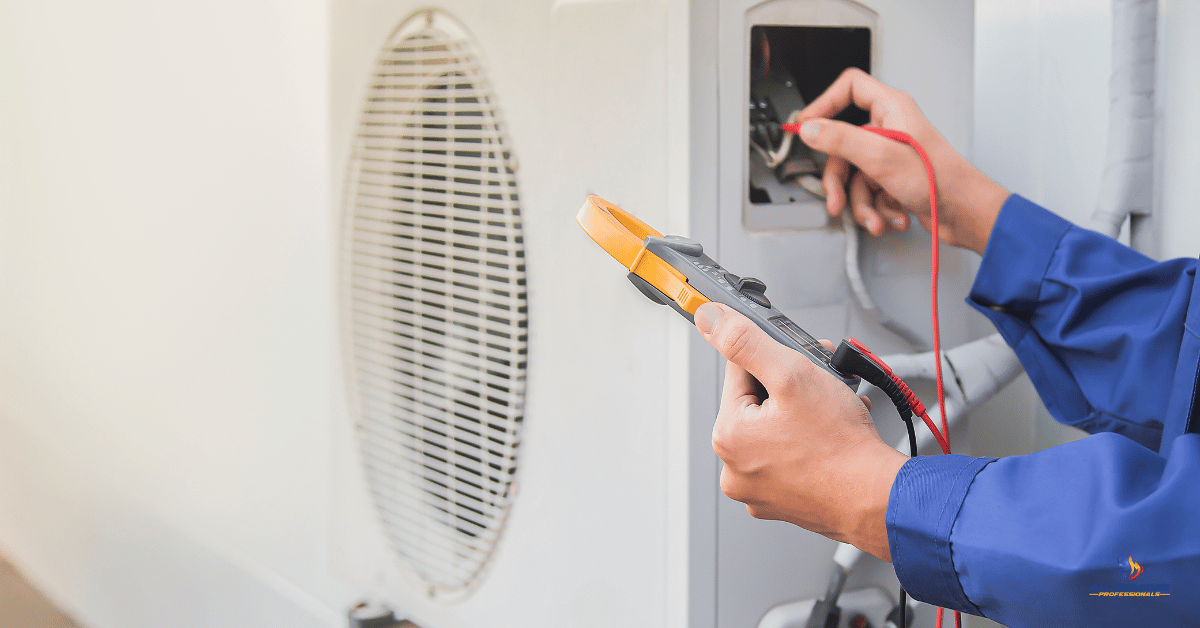
- Multimeter (for basic electrical issues checks)
- Soft brush or vacuum for coil cleaning
- Fin comb for bent coil fins
Year-Round HVAC Maintenance You Can Do
- Inspect visible wiring for wear (without touching it)
- Listen for unusual noises or a buzz during operation
- Check thermostat batteries each season
These small actions can help cool your home effectively and extend the life of your air conditioning system, but they’re not a substitute for professional AC repair.
Signs You’re in Over Your Head
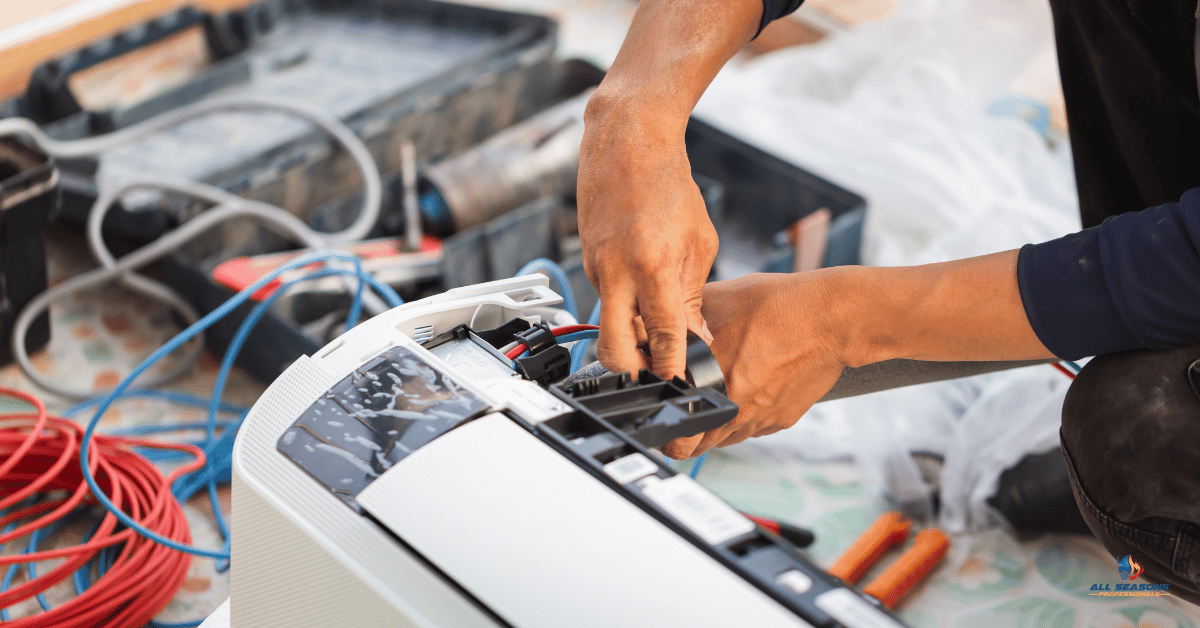
Certain HVAC issues require professional HVAC repair because they involve safety risks, advanced diagnostics, or expensive components.
Complex Problems That Require a Professional HVAC Technician
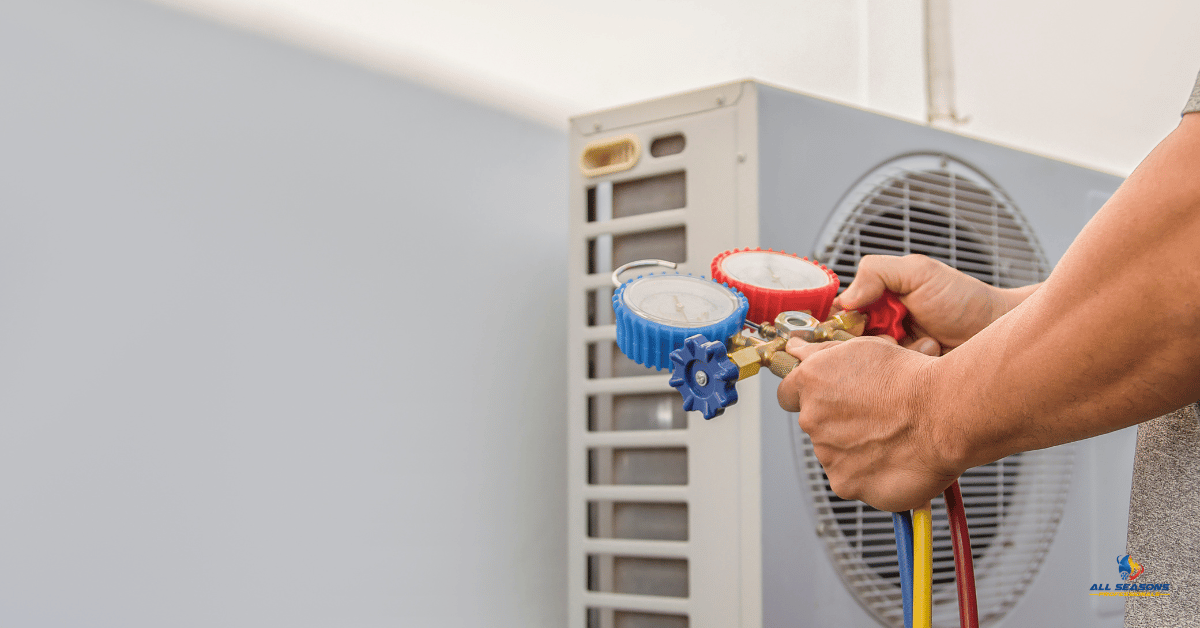
- Refrigerant Leaks – Must be repaired by an EPA-certified technician.
- Electrical Issues – Faulty breaker connections or wiring can be dangerous.
- Motor or Compressor Failure – Requires specialized tools to diagnose and repair.
- Uneven Heating and Cooling – Could indicate ductwork problems, thermostat malfunctions, or a failing coil.
Potential Risks of DIY Repairs
- Voiding your manufacturer warranty
- Injury from refrigerant or electrical shock
- Damaging the HVAC system, leading to more costly HVAC emergencies
Benefits of Hiring a Professional HVAC Contractor
While DIY repairs can seem less expensive at first, a professional HVAC repair service provides long-term value.
Accurate Diagnosis and Long-Term Solutions
A skilled HVAC technician can diagnose the problem and address its root cause.
Proper Tools, Parts, and Training
From replacing a fan motor to handling refrigerant leaks, professionals have the right tools and expertise.
Code Compliance and Warranty Protection
Licensed HVAC contractors follow heating and cooling regulations, helping protect your investment.
How All Seasons Professionals Can Help
DIY or Professional HVAC Repair: Our HVAC company serves Fruitvale, TX, Van Zandt County, and surrounding areas with services such as:
- HVAC installation for new construction and remodels
- Repair service for all major air conditioning and heating systems
- HVAC maintenance to prevent costly breakdowns
Whether it’s time to call for professional AC repair or you need a furnace repair, our team provides professional expertise to prevent further damage and keep your system running smoothly.
Cost Comparison – DIY vs Professional HVAC Repair
Upfront Costs of DIY Repairs
Parts and tools are your only costs, but mistakes can require serious HVAC repair later.
Long-Term Savings with Professional Service
Proper installation and repair prevent repeat problems and save on future repair service calls.
Avoiding Repeat Repairs
Professionals can replace the motor, fix the compressor, and diagnose related issues before they worsen.
Preventing HVAC Emergencies with Regular Maintenance
The best HVAC maintenance plan involves seasonal inspections and routine cleaning.
Seasonal Tips:
- Spring & Fall tune-ups to prepare your AC system for temperature extremes
- Change the filter every 1–3 months to protect your AC unit
- Inspect the drain line, coil, and ductwork for blockages
Conclusion – Knowing Your Limits Saves Money and Stress
Some HVAC repairs are safe for a homeowner to try, but when you notice signs you need professional help, it’s time to call in the experts. A professional AC repair service can diagnose the problem, prevent further damage, and ensure your HVAC system delivers cool air year-round.