








An AC compressor is often called the heart of the cooling system because it is responsible for pressurizing and circulating refrigerant throughout your air conditioning system. It works with the evaporator and condenser to remove heat from the air inside your home and release it outdoors. Bad AC Compressor drops cooling performance, leading to higher energy bills, frequent AC repair, or complete compressor failure.
Recognizing the warning signs early can prevent damage to other components in the AC unit. Here’s how to spot the signs of a bad air conditioner compressor and when to call a qualified HVAC professional.
What Does an AC Compressor Do?
The air conditioner compressor compresses and moves refrigerant between the evaporator and condenser coil. This cycle absorbs heat from the air inside your home and releases it outside through the condensing unit.
If the compressor isn’t running, the air conditioning unit can’t produce cold air. Think of it like a car’s engine if it stops, everything else in the AC system stops working.
Common Symptoms of a Bad AC Compressor
While some air conditioning problems come from clogged filters or thermostat issues, certain compressor symptoms point directly to a failing compressor:
1. Weak or Warm Airflow
If air flowing from the vents feels warm, the compressor may not be circulating refrigerant properly. This can happen when there’s a refrigerant leak or low refrigerant, which impacts cooling performance.
2. Strange Noises from the Outdoor Unit
A really healthy compressor runs with a steady hum. If you hear banging, grinding, or clicking from the condenser unit, it could mean the compressor clutch is engaged but internal parts are worn.
3. Tripped Circuit Breaker or Blown Fuse
An overheating or overloaded AC compressor can trip the breaker. If you must check the circuit breaker often or replace a blown fuse, this is a common problem signaling a compressor issue.
4. Refrigerant Leaks
A leak in the system reduces cooling performance and forces the compressor to overwork, leading to bad AC compressor symptoms.
5. Hard Starts or Failure to Start
If the compressor clutch is not engaged or the motor struggles to start, the expansion valve or start capacitor may be failing.
6. Frozen Evaporator or Condenser Coil
A bad AC compressor can cause coil freezing due to incorrect refrigerant pressure.
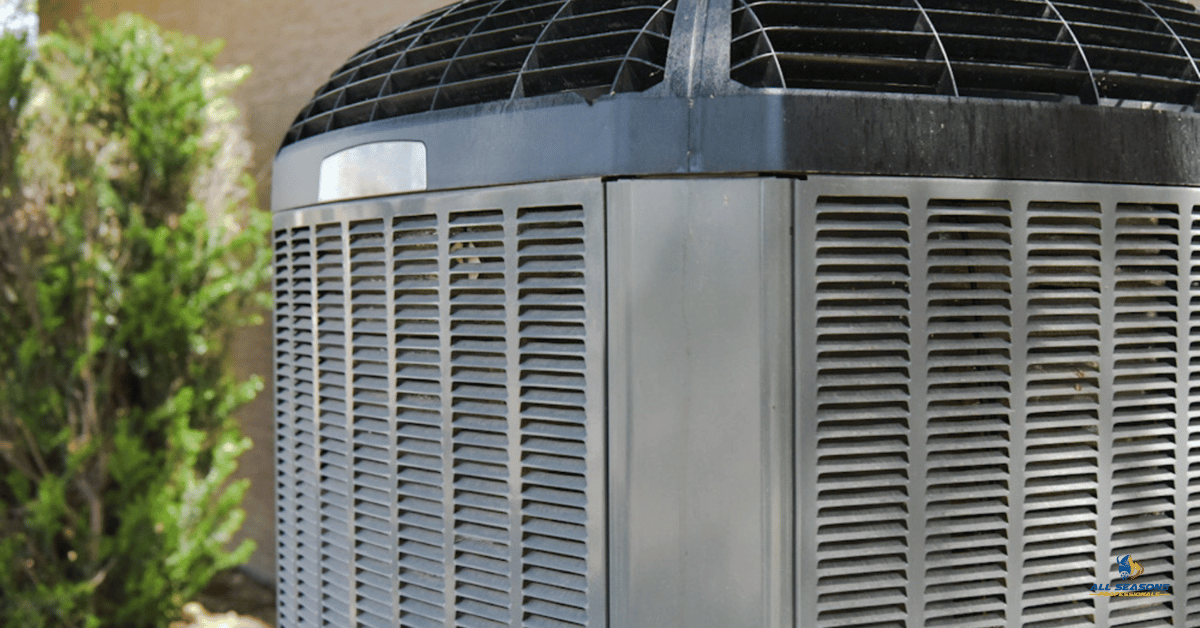
Early Signs You Shouldn’t Ignore
- Short cycling of the AC unit
- Sudden increases in energy bills
- No improvement in cooling performance after filter cleaning or coil maintenance
Ignoring these signs of a bad compressor can cause your compressor to go bad permanently.
Causes of AC Compressor Failure
- Lack of cleaning and seasonal maintenance
- Refrigerant leak or overcharging
- Electrical issues damaging compressor terminals
- Old age and wear
- Physical damage to the compressor
Troubleshooting vs. Calling an HVAC Professional
DIY Checks:
- Filter cleaning or replacement
- Remove debris from condensing unit
- Ensure airflow is unobstructed
Call a Professional:
- When there’s a low refrigerant or refrigerant leak
- If there’s a faulty compressor or failing compressor
- For installation of a new compressor
Preventing AC Compressor Problems
- Annual inspection from an HVAC professional
- Seasonal cleaning of coils and condenser unit
- Immediate repair of electrical issues
- Regular ac service before peak summer
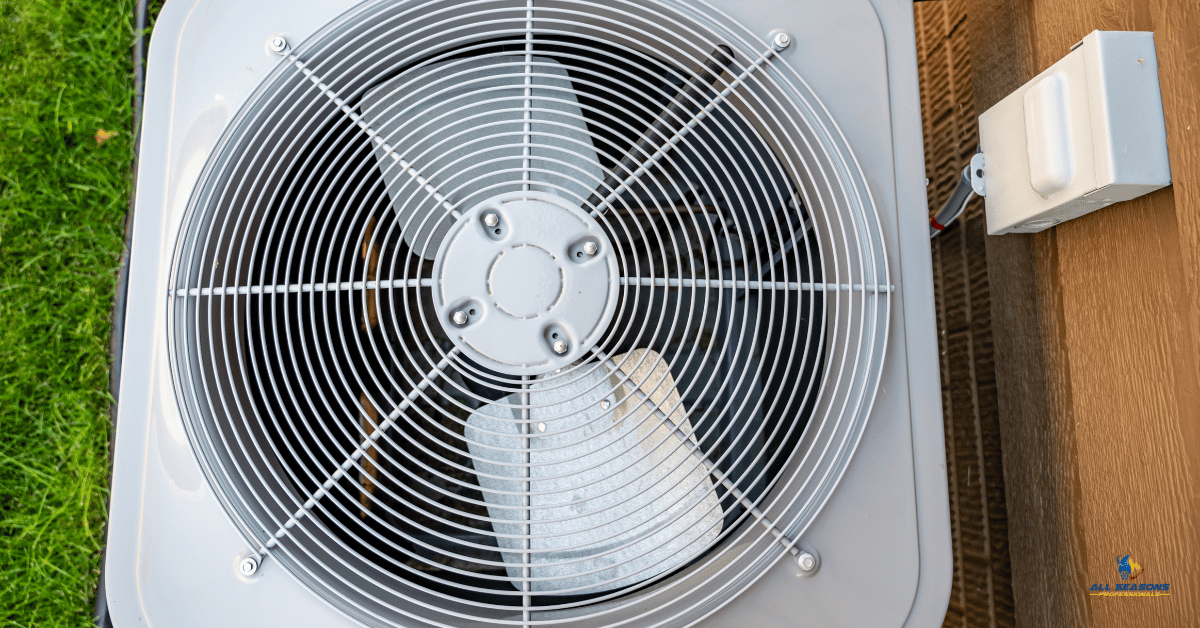
AC Compressor Repair or Replacement
When your compressor is about to fail, consider:
- Age of the AC system over 10–12 years may require a need to replace
- Repair cost vs. new compressor cost
- Energy savings from a healthy compressor